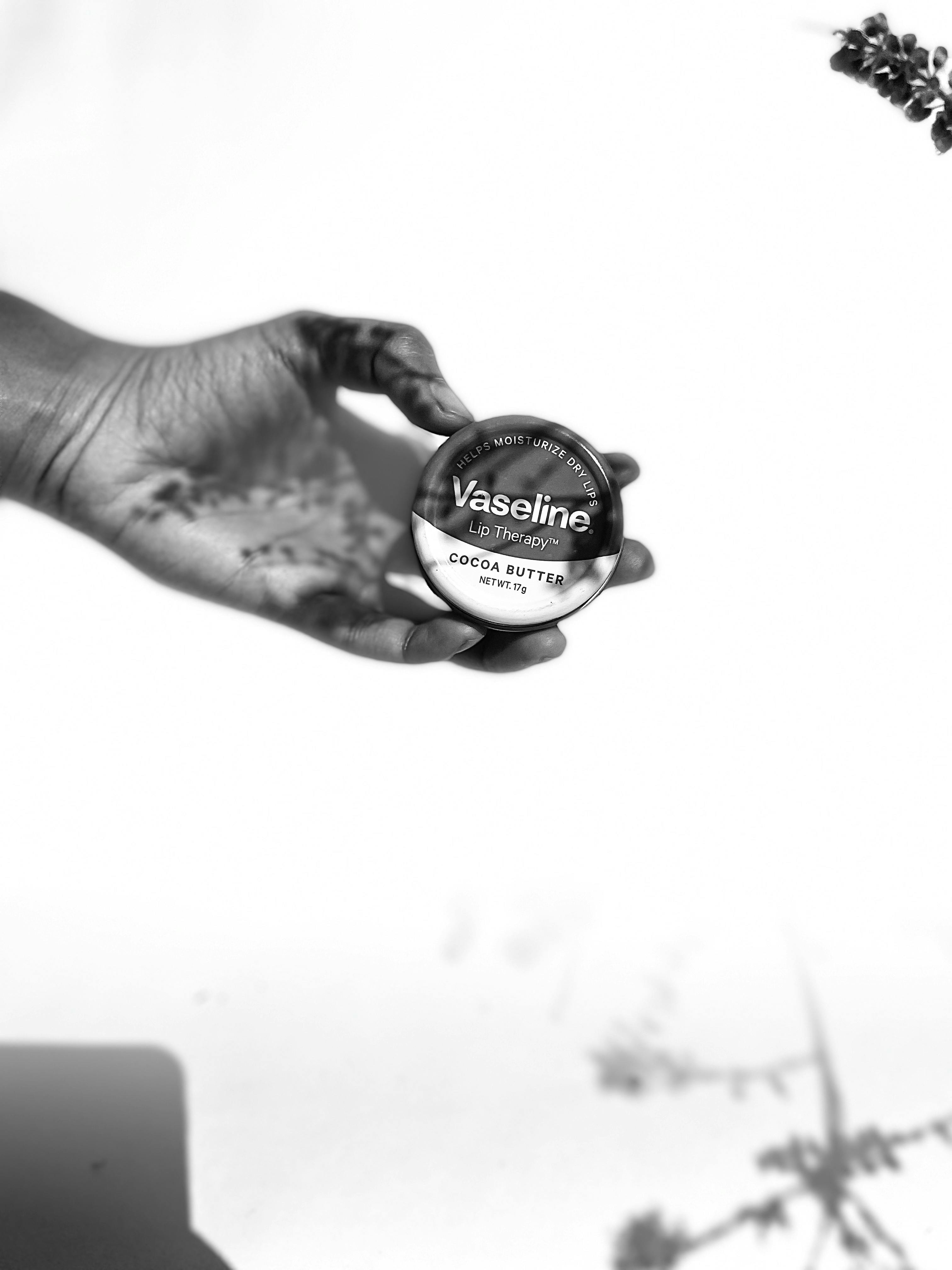
Vicks VapoRub and Vaseline both show up in online hemorrhoid advice. One of them is a reasonable short-term comfort measure. The other can burn irritated skin and should stay in the medicine cabinet. Here is how to tell them apart and what to use instead.
Tried the home remedies and still uncomfortable? A board-certified colorectal surgeon can give you a real plan.
Book a virtual consultYes, with realistic expectations. Vaseline is pure petroleum jelly, a bland skin protectant with no active medication. Applied in a thin layer to the skin around external hemorrhoids, it forms a barrier that reduces friction from wiping and clothing, keeps irritated skin from drying out, and can make bowel movements less painful by lubricating the area.
What it cannot do is shrink a hemorrhoid, reduce swelling, or fix the straining that caused it. Think of it as comfort care, similar to Aquaphor. It is safe for most people, inexpensive, and unlikely to cause a reaction.
We do not recommend it. Vicks contains camphor, menthol, and eucalyptus oil in a petrolatum base. The cooling sensation some people describe is those ingredients irritating nerve endings, and on the thin, already inflamed skin of the anal area that often turns into burning, stinging, and worse itching. Camphor can also be absorbed through broken skin and is toxic in larger amounts.
Vicks is labeled for the chest and throat, not for mucous membranes or the genital and anal areas. If the petrolatum in Vicks is what helps, plain Vaseline gives you that benefit without the irritants.
Vicks VapoRub, menthol or camphor rubs, tea tree oil applied undiluted, rubbing alcohol, hydrogen peroxide, and anything with fragrance. All of them can inflame the skin further and make symptoms harder to assess.
For mild flare-ups, a few simple measures do more than any jar of ointment.
For a closer look at what works and what does not, read Do Hemorrhoid Creams Actually Work?
Home care manages symptoms. It does not treat the hemorrhoid itself, so if symptoms keep returning, the hemorrhoid is still there. See a colorectal specialist if you have bleeding that lasts more than a few days, a painful lump that appeared suddenly (possibly a thrombosed hemorrhoid), tissue that pushes out and does not go back in, or symptoms that have lasted more than two weeks.
Office treatments such as rubber band ligation and infrared coagulation take minutes and need no anesthesia. Larger hemorrhoids can be treated with laser hemorrhoidoplasty or a hemorrhoidectomy.
Vaseline is fine as a protective layer for irritated skin around external hemorrhoids. Vicks VapoRub is not, because its active ingredients irritate delicate tissue. Neither one treats the underlying hemorrhoid, so if symptoms persist, get them evaluated by a colorectal surgeon.
Vaseline can soothe irritated skin around external hemorrhoids by reducing friction and dryness. It does not shrink hemorrhoids or treat their cause, so it works best alongside fiber, sitz baths, and short toilet visits.
No. Vicks contains camphor and menthol, which irritate the thin skin of the anal area and can cause burning and worse itching. It is not labeled for that use and offers no advantage over plain petroleum jelly.
A short course of hydrocortisone 1 percent cream, used for no more than a week, is the standard choice for itching. Plain petroleum jelly or zinc oxide protects the skin between applications.
If bleeding lasts more than a few days, pain is severe, a lump appears suddenly, tissue prolapses, or symptoms persist beyond two weeks, schedule an evaluation with a colorectal surgeon.
Dr. Albert Chung offers quick, in-office hemorrhoid treatments in Rancho Santa Margarita. Most patients are back to normal the same day.
Book a virtual consultCall (714) 988-8690